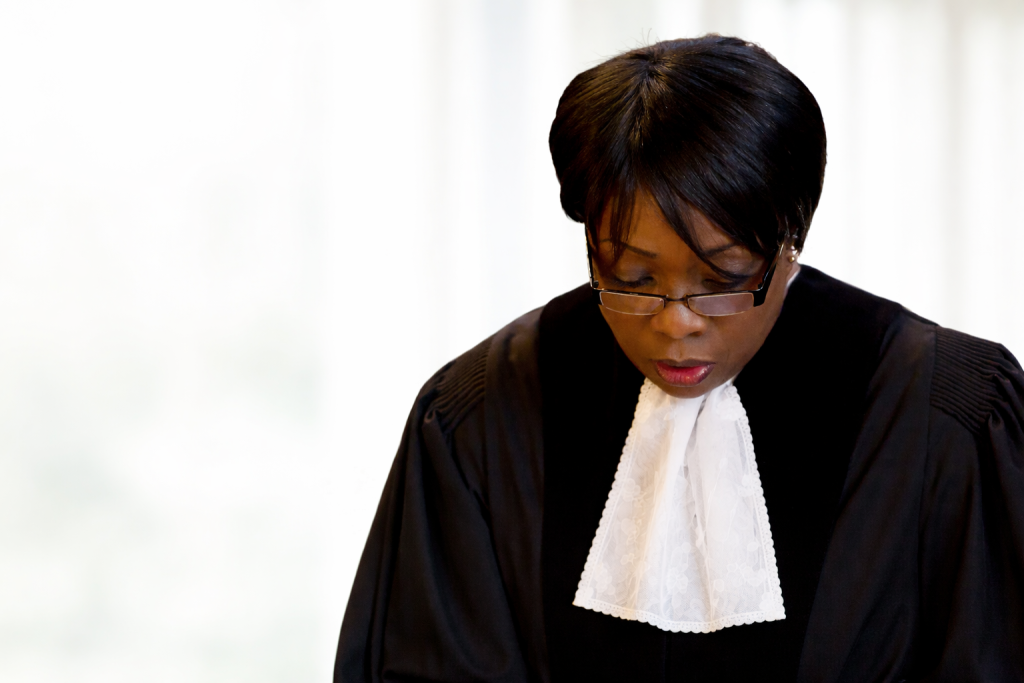

Early Life & Education
About
Academic Background Shaping a Distinguished International Judicial Career
Julia Sebutinde’s academic background reflects a strong foundation in legal education and advanced judicial training. Her studies equipped her with deep analytical skills, a global understanding of law, and the intellectual rigor required for complex international adjudication. This academic grounding continues to inform her principled approach to justice, human rights, and the rule of law.Julia Sebutinde is an internationally respected jurist known for her unwavering commitment to justice, the rule of law, and human rights. With a distinguished career spanning national and international courts, she has earned global recognition for her principled judicial reasoning, independence, and dedication to fairness. Her work reflects a deep understanding of complex legal systems and a strong belief in law as a foundation for peace and accountability.

Bachelor of Laws
Completed foundational legal studies with strong academic distinction, building a solid grounding in constitutional law, criminal law, and international legal principles that shaped her future judicial career.

Master of Laws
Pursued advanced legal education with a focus on international law and human rights, developing analytical expertise and a comparative understanding of global legal systems.

Doctoral-Level Legal Training
Undertook advanced judicial and professional legal training, emphasizing international criminal justice, treaty interpretation, and judicial decision-making at the highest level.

Legal training and formative influences
Her legal training combined rigorous academic study, judicial mentorship, and practical courtroom experience. Early exposure to international justice systems and human rights law profoundly shaped her disciplined reasoning, ethical judgment, and commitment to impartial adjudication.
Judicial Mentorship
Rigorous Legal Education
International Legal Practice
Path to the Judiciary
Julia Sebutinde’s path to the judiciary was shaped by rigorous legal training, early professional discipline, and a deep commitment to justice. Beginning her career in legal practice and public service, she developed a strong understanding of courtroom procedure, legal ethics, and the practical application of law. These formative experiences laid the foundation for her transition into judicial service.
Through dedication, integrity, and consistently principled decision-making, she progressed to increasingly senior judicial roles. Her reputation for independence and legal clarity ultimately led to appointments at the international level, where she continues to contribute to the advancement of global justice and the rule of law.